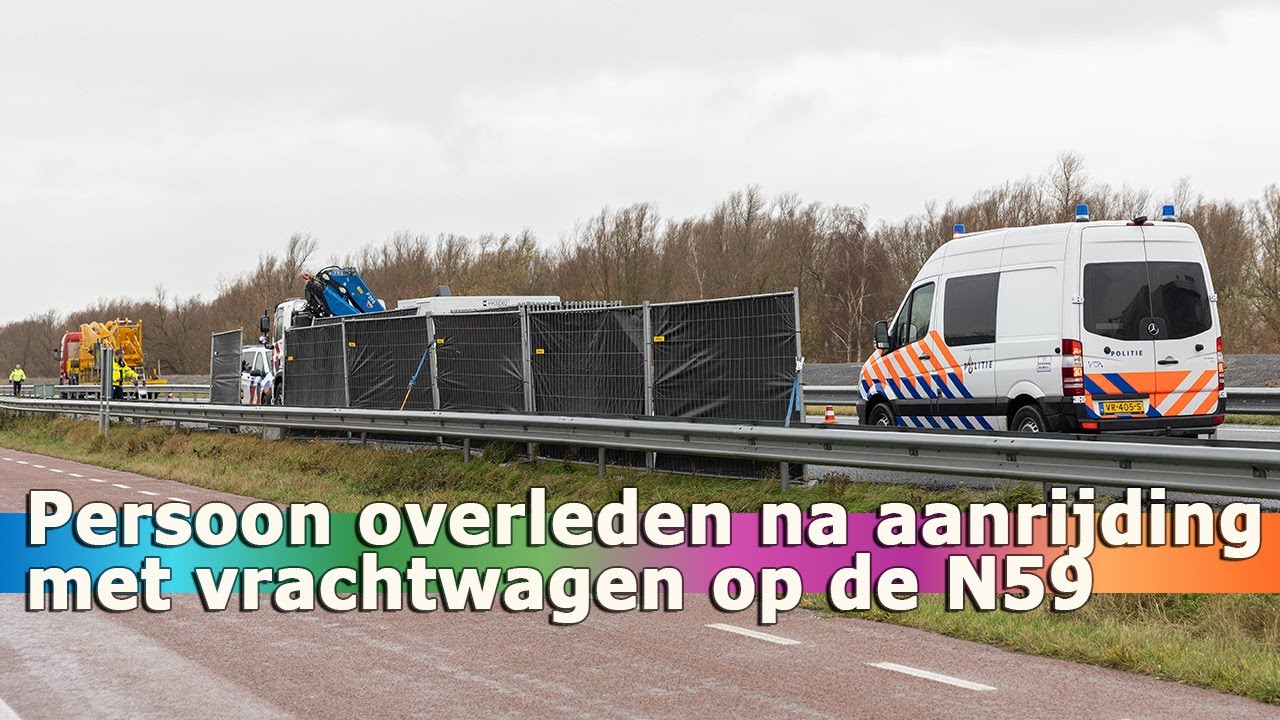
Fatal Accident Shuts Down N59 Near Oude-Tonge: A Recurring Tragedy on a Critical Road
The N59, a vital artery connecting communities in the Goeree-Overflakkee region of the Netherlands, has once again been the scene of a devastating accident, leading to fatalities, serious injuries, and significant traffic disruption. The incident near Oude-Tonge, a term often captured by the Dutch phrase Ongeval N59, serves as a grim reminder of the inherent dangers on our roads and the profound impact such events have on individuals and communities. This comprehensive look delves into recent fatal crashes on the N59, the immediate aftermath, the massive emergency response, and broader road safety implications.
A Closer Look at the Tragic Incidents on the N59
The N59 has unfortunately gained a reputation for serious and often fatal accidents, with several devastating incidents reported over recent years. Each Ongeval N59 highlights specific circumstances but collectively paints a picture of a road prone to severe collisions.
December 14th Accident: A Multi-Vehicle Tragedy
One of the most recent and significant incidents occurred on Tuesday, December 14th, around 2:10 PM, on the N59 near Nieuwe-Tonge. This severe collision involved multiple vehicles – specifically, two passenger cars and a heavy goods vehicle (truck). The crash tragically resulted in one fatality, with another individual sustaining critical injuries. Two additional persons suffered lighter injuries. The scale of this incident necessitated an exceptionally large deployment of emergency services, a testament to its severity. Three trauma helicopters were initially dispatched to the scene, though one was later stood down. Even a defense helicopter was observed landing, underscoring the extraordinary coordination required for such a multi-faceted emergency. Police immediately launched a comprehensive investigation to determine the exact cause of this multi-vehicle pile-up, leading to the complete closure of the N59 and extensive traffic diversions.
September 27th Accident: Frontal Impact and Overturned Truck
Earlier in the year, on Friday morning, September 27th, another person lost their life on the N59 near Oude-Tonge. This particular incident involved a head-on collision between a passenger car and a truck. The force of the impact was so severe that the truck subsequently overturned. Despite the rapid arrival of police, fire brigade, multiple ambulances, and a trauma helicopter, the driver of the passenger car succumbed to their injuries at the scene. The truck driver was transported to the hospital with injuries, the extent of which were not immediately disclosed. The N59 remained closed until approximately 3:00 PM for extensive forensic investigation and recovery operations, emphasizing the complexity and time required after such a catastrophic event.
December 29th, 2015 Accident: Tanker Collision and Fuel Leak Scare
The N59's history of fatalities stretches back further. On Tuesday morning, December 29th, 2015, around 10:30 AM, a fatal accident occurred when a passenger car, for reasons still unknown, veered into the opposing lane and collided head-on with an oncoming tank truck. The car driver died instantly. Miraculously, the driver of the tank truck remained unharmed. However, the collision caused the tanker, which was loaded with petrol, to overturn. This incident presented an additional terrifying dimension: a brief fuel leak, which emergency services thankfully managed to contain quickly. Before the tanker could be righted, its dangerous cargo had to be pumped out, a meticulous and time-consuming process. The N59 was completely shut down between Den Bommel and Oude-Tonge until early evening, demonstrating the severe logistical challenges posed by accidents involving hazardous materials. These incidents, though years apart, collectively point to critical safety issues on this stretch of road. For more on the repeated tragedies, see our related article: N59 Fatalities: Multiple Tragic Crashes Plague Oude-Tonge Road.
The Immediate Aftermath and Massive Emergency Response
The immediate aftermath of a severe Ongeval N59 is a chaotic scene, rapidly transforming into a highly organized operation involving a vast array of emergency services. The consistent deployment of significant resources underscores the severity of these incidents and the dedication of first responders.
When a call for a serious accident on the N59 comes in, the response is swift and overwhelming. Police units are dispatched to secure the scene, manage traffic, and begin initial investigations. The fire brigade arrives not only to assist with potential vehicle extractions and clean-up but also to address hazardous situations, such as fuel leaks or fire risks, as seen in the 2015 tanker accident. Ambulances are critical for providing immediate medical aid to the injured and transporting them to hospitals. For life-threatening injuries, trauma helicopters are a standard and invaluable asset, capable of quickly bringing specialized medical teams directly to the scene and transporting patients to the nearest trauma center. The presence of multiple trauma helicopters, as observed in the December 14th incident, signifies the high number of critically injured victims or the initial assessment of such potential.
Furthermore, in complex scenarios like multi-vehicle collisions or those involving heavy goods vehicles, specialized recovery teams are essential. They bring heavy machinery to right overturned vehicles, clear debris, and reopen the road safely. The prolonged road closures, often lasting for many hours, are a necessary consequence of these extensive operations, ensuring that investigators can thoroughly document the scene and that all hazards are cleared. For more details on the extensive deployment of resources, refer to our article: Massive Emergency Deployment After Deadly N59 Truck Collision.
Unraveling the Causes: Why the N59 Sees Repeated Tragedies
Understanding the root causes behind the recurring severe accidents on the N59 is crucial for prevention. While police investigations delve into the specifics of each Ongeval N59, general factors often contribute to such tragedies, particularly on roads like the N59, which typically consists of a single carriageway without median barriers separating opposing traffic flows.
- Human Factors:
- Distraction: Using mobile phones, adjusting infotainment systems, or even engaging in intense conversations can divert a driver's attention, even for a split second, leading to catastrophic consequences.
- Speed: Exceeding speed limits or driving too fast for conditions (weather, road layout, traffic) reduces reaction time and increases the severity of impact.
- Fatigue: Drowsy driving can impair judgment and reaction time as much as alcohol, leading to unintended lane departures or delayed responses.
- Impairment: Driving under the influence of alcohol or drugs severely compromises a driver's ability to operate a vehicle safely.
- Aggressive Driving/Overtaking: Impatient or reckless overtaking maneuvers on single carriageways without sufficient clear visibility are a frequent cause of head-on collisions.
- Road Design and Environment:
- Lack of Separation: Many sections of the N59, like other rural roads, lack physical barriers between lanes of opposing traffic. This significantly increases the risk and severity of head-on collisions, as evidenced by multiple incidents.
- Intersections and Entrances: Complex intersections or frequent access points can create conflict zones where vehicles merge or cross traffic paths.
- Visibility: Curves, dips, or roadside vegetation can sometimes limit visibility, especially for drivers attempting to overtake or react to sudden hazards.
- Weather Conditions: Rain, fog, or ice can drastically reduce traction and visibility, exacerbating other risk factors.
- Presence of Heavy Vehicles: The N59 is a route for commercial traffic. Collisions involving large trucks often result in more severe outcomes due to their sheer mass and momentum.
The pattern of frontal collisions on the N59, as seen in several of these incidents, strongly suggests issues related to lane discipline, safe overtaking practices, or potentially design flaws that make such errors more probable or more fatal. Police investigations, involving forensic analysis of vehicle damage, road marks, and witness statements, are critical for pinpointing the exact dynamics of each crash and informing future safety measures.
Beyond the Headlines: Road Safety and Prevention Strategies
While the focus is often on the immediate tragedy of an Ongeval N59, the broader implications for road safety and prevention strategies are paramount. Addressing the recurring nature of these incidents requires a multi-faceted approach involving drivers, authorities, and communities.
Practical Tips for Drivers on Rural Roads like the N59:
- Maintain Vigilance: Always be aware of your surroundings, both on the road and in your blind spots. Scan ahead for potential hazards.
- Respect Speed Limits: Adhere strictly to posted speed limits, and adjust your speed downwards in adverse weather or challenging road conditions.
- Avoid Distractions: Put away your phone, avoid eating, and minimize other distractions that take your eyes and mind off the road.
- Plan Overtaking Carefully: On single-carriageway roads, only overtake when you have absolute certainty of clear visibility and sufficient space. If in doubt, do not overtake.
- Defensive Driving: Anticipate potential errors from other drivers. Maintain a safe following distance, allowing ample time to react.
- Regular Vehicle Maintenance: Ensure your tires, brakes, lights, and wipers are in good working order. A well-maintained vehicle is a safer vehicle.
- Recognize Fatigue: If you feel tired, pull over and rest. Drowsy driving can be as dangerous as impaired driving.
The Role of Infrastructure Improvements:
Authorities continually assess road safety. For stretches like the N59, potential improvements could include:
- Median Barriers: Installing physical barriers to separate opposing traffic flows is one of the most effective ways to prevent head-on collisions.
- Wider Lanes and Shoulders: Providing more room can help prevent vehicles from straying into opposing traffic or allow for safer emergency maneuvers.
- Improved Signage and Markings: Clearer road markings, speed limit signs, and warning signs (e.g., for curves or intersections) can guide drivers more effectively.
- Speed Enforcement Measures: Strategic placement of speed cameras or increased police presence can deter speeding.
- Roundabouts: At intersections, replacing conventional junctions with roundabouts can reduce the severity of collisions.
Community and Awareness:
Beyond infrastructure and enforcement, community awareness campaigns are vital. Educating drivers, especially younger ones, about the specific risks of rural roads and promoting a culture of responsible driving can make a significant difference. Every life lost on the N59 is a stark reminder that road safety is a shared responsibility.
What to Do if You Witness an Accident:
Witnessing a severe accident can be traumatic, but your actions can be crucial.
- Ensure Your Safety: Pull over safely, ideally behind the scene on the shoulder, and turn on your hazard lights. Do not put yourself in harm's way.
- Call Emergency Services Immediately: Dial the emergency number (e.g., 112 in Europe). Provide precise location details (road number, nearest town, landmarks, kilometer markers if available), the type of vehicles involved, and any visible injuries.
- Do Not Move Injured Persons: Unless there is an immediate, life-threatening danger (e.g., fire, flood), do not move injured individuals. You could worsen their injuries.
- Provide Assistance (if safe): If trained, provide first aid. Otherwise, offer comfort, stay with the injured until help arrives, and help direct emergency personnel to the scene.
- Secure the Scene (if safe): If possible and safe to do so, use hazard triangles or flares to warn oncoming traffic.
Conclusion
The tragic series of fatal accidents on the N59 near Oude-Tonge underscores the devastating human cost of road collisions. Each Ongeval N59 leaves behind grieving families and a community shaken. While investigations continue to shed light on specific causes, these incidents serve as a powerful call to action for all stakeholders. Drivers must recommit to vigilance and responsible driving habits, while authorities must continue to explore and implement infrastructure improvements and effective enforcement. By working together, we can strive to make roads like the N59 safer, ensuring that such headlines become increasingly rare, and the journey from one community to another is one of safety and peace, not tragedy.