Recurrent Tragedies on the N59: A Dangerous Stretch Plaguing Oude-Tonge
The N59, a crucial arterial road connecting communities across Goeree-Overflakkee, has tragically become synonymous with severe accidents, claiming multiple lives and causing extensive injuries over recent years. From devastating head-on collisions involving heavy vehicles to incidents requiring massive emergency deployments, the stretch of road near Oude-Tonge and Nieuwe-Tonge has witnessed a distressing pattern of fatalities and serious injuries. These repeated fatal accidents shutting down the N59 serve as a stark reminder of the ever-present dangers on our roads and the profound impact such events have on local communities.
Recent Incidents Highlight Persistent Dangers
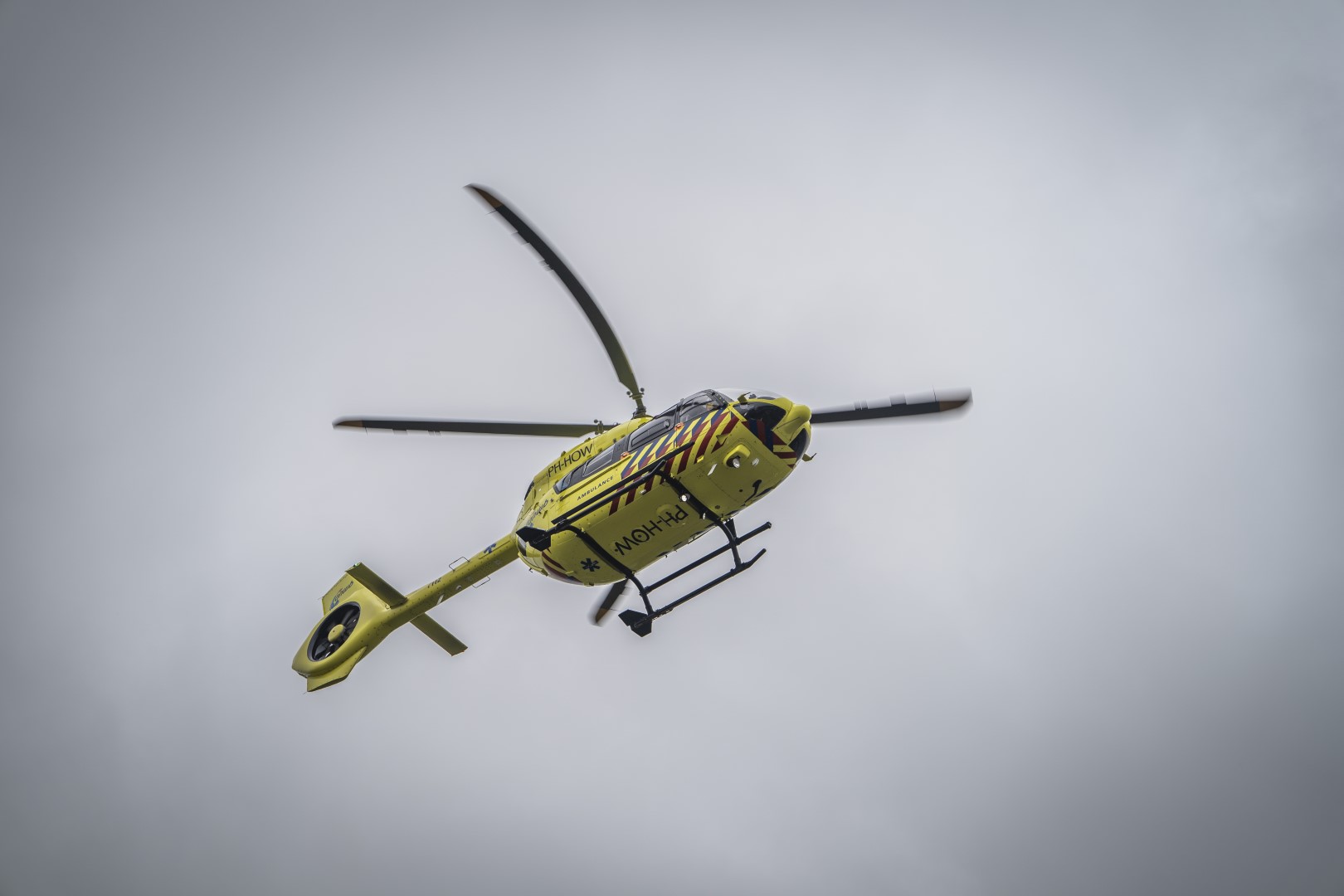
One of the most recent and severe incidents occurred on Tuesday afternoon, December 14, near Nieuwe-Tonge. A serious ongeval N59 unfolded around 2:10 PM, involving a collision between two passenger cars and a heavy goods vehicle. The aftermath was catastrophic: one person tragically lost their life at the scene, another sustained critical injuries, and two more suffered minor injuries. The emergency response was immediate and immense, reflecting the gravity of the situation. Three trauma helicopters were initially dispatched, though one was later recalled, alongside a defense helicopter that landed near the accident site. Road closures for extensive police investigations became a necessity, causing significant disruption and highlighting the severe nature of the multi-vehicle crash.
Another grim chapter in the N59's history was written on Friday morning, September 27. Near Oude-Tonge, a person was killed in a violent head-on collision between a passenger car and a truck. The force of the impact was so severe that the truck subsequently overturned. Despite the swift and comprehensive deployment of police, fire services, multiple ambulances, and a trauma helicopter, the driver of the passenger car succumbed to their injuries at the scene. The truck driver was also transported to the hospital with injuries, the extent of which were not immediately known. This incident necessitated a prolonged closure of the N59, lasting until 3:00 PM, to facilitate detailed investigation and recovery efforts.
Echoes from the Past: A Deadly Collision in 2015
The tragic events are not confined to recent years. Looking back to Tuesday morning, December 29, 2015, the N59 witnessed another horrific fatal accident. Around 10:30 AM, a passenger car veered onto the wrong side of the road, resulting in a devastating head-on collision with an oncoming tank truck. The car's driver died instantly from severe injuries. Alarmingly, the tank truck, loaded with petrol, overturned during the collision. While a brief fuel leak was quickly contained, the inherent danger of such a cargo meant extensive safety protocols were initiated. The petrol had to be pumped out of the tanker before it could be righted, leading to the N59 being completely closed between Den Bommel and Oude-Tonge until early evening. Miraculously, the tank truck driver escaped uninjured in this harrowing incident.
Unpacking the Causes: Why is the N59 so Prone to Accidents?
The recurring nature of these severe N59 truck collisions and massive emergency deployments prompts a critical examination of underlying causes. While each accident is unique, certain patterns emerge, particularly the involvement of heavy goods vehicles and frontal impacts, often suggesting complex factors at play.
Potential Contributing Factors:
- Road Design and Infrastructure: The N59 is a provincial road, and like many such routes, it may have sections with less forgiving design compared to modern highways. Factors such as narrow lanes, limited shoulders, or inadequate median barriers could contribute to the severity of head-on collisions. Poor visibility in certain areas, especially during adverse weather or at night, might also be a concern.
- Driver Behaviour: Human error remains a significant factor in most accidents. This includes:
- Distracted Driving: The use of mobile phones or other distractions can lead to a momentary loss of attention, with fatal consequences on high-speed roads.
- Speeding: Exceeding speed limits or driving too fast for conditions reduces reaction time and increases impact force.
- Fatigue: Drowsy driving can impair judgment as much as alcohol, especially on longer stretches of road.
- Impairment: Driving under the influence of alcohol or drugs significantly compromises a driver's ability to operate a vehicle safely.
- Inappropriate Overtaking: Misjudgment during overtaking maneuvers can directly lead to head-on collisions.
- Vehicle Type and Condition: The frequent involvement of trucks highlights the inherent risks when large, heavy vehicles interact with smaller passenger cars. The sheer difference in mass and momentum dramatically increases the potential for severe outcomes in a collision. Vehicle maintenance, such as tire condition or brake efficiency, can also play a role.
- Traffic Volume: As a key transport route, the N59 experiences considerable traffic, including a significant proportion of heavy goods vehicles. Increased traffic density inherently raises the statistical probability of incidents.
- Environmental Factors: Weather conditions like fog, heavy rain, or icy patches can drastically reduce visibility and road grip, making driving treacherous.
Police investigations following each incident are crucial for determining the precise causes, often involving accident reconstruction teams, witness statements, and vehicle analyses. These findings are vital for informing future safety improvements.
The Devastating Impact: Beyond the Immediate Aftermath
The ramifications of a fatal ongeval N59 extend far beyond the immediate scene of the crash. The human, economic, and community costs are profound and long-lasting.
Human Cost:
- Loss of Life: The ultimate tragedy, leaving families shattered and communities grieving.
- Life-Altering Injuries: Survivors often face lengthy recoveries, permanent disabilities, and profound psychological trauma.
- Emotional Scars: Emergency responders, witnesses, and family members bear lasting emotional burdens from witnessing or dealing with such horrific events.
Economic and Societal Impact:
- Road Closures and Delays: Each major accident on the N59 leads to significant traffic diversions, impacting commuters, businesses, and logistical operations.
- Emergency Services Strain: The deployment of multiple trauma helicopters, fire brigades, police units, and ambulances represents a considerable allocation of resources.
- Investigation and Recovery Costs: Accident reconstruction, vehicle recovery, and road repair are expensive and time-consuming processes.
- Community Morale: A series of fatal accidents on a local road can instill fear and anxiety among residents, affecting their sense of safety and well-being.
Enhancing Road Safety: Practical Measures and Driver Responsibility
Addressing the persistent dangers on the N59 requires a multi-faceted approach involving both infrastructure improvements and a heightened sense of driver responsibility. It's a collective effort to prevent future tragedies.
Actionable Advice for Drivers:
- Drive Defensively: Always assume other drivers might make mistakes. Maintain a safe following distance and be prepared to react.
- Adhere to Speed Limits: Respecting speed limits is paramount, especially on roads like the N59 where head-on collisions can be particularly deadly.
- Eliminate Distractions: Put away your phone, avoid eating, and focus entirely on the road. A moment's lapse can change lives forever.
- Check Your Vehicle: Regular maintenance, especially tires, brakes, and lights, ensures your vehicle is safe for the road.
- Plan Your Journey: Avoid driving when fatigued, and factor in breaks for longer trips. If you feel tired, pull over safely.
- Never Drive Impaired: Alcohol and drugs severely impair judgment and reaction time. Use public transport or a designated driver.
Potential Infrastructure Improvements:
- Median Barriers: Installing physical barriers to separate opposing lanes of traffic can dramatically reduce the incidence and severity of head-on collisions.
- Improved Lighting and Markings: Enhanced road lighting, clearer lane markings, and reflective signage can improve visibility, especially at night or in poor weather.
- Speed Enforcement: Strategic placement of speed cameras or increased police presence can deter speeding.
- Intersection Redesign: Re-evaluating dangerous intersections for better visibility or safer turning lanes.
- Overtaking Zones: Clearer, safer designated overtaking zones, or conversely, stricter "no overtaking" zones where necessary.
Local authorities and road safety organizations play a crucial role in conducting regular safety audits, implementing necessary upgrades, and launching public awareness campaigns. Community engagement is also vital, allowing residents to voice concerns and contribute to solutions for improving the safety of their local roads.
Conclusion
The tragic succession of fatal accidents on the N59 near Oude-Tonge underscores a critical need for continuous vigilance and proactive measures. Each ongeval N59 represents an immeasurable loss, impacting families and communities profoundly. By understanding the contributing factors, promoting responsible driving habits, and advocating for necessary infrastructure enhancements, we can collectively work towards making the N59, and indeed all our roads, safer for everyone. The memory of those lost should serve as a powerful impetus for change, ensuring that such tragedies become a thing of the past.